
Optimal Timing for Retrofitting Projects
Retrofittings involve upgrading existing structures or systems to improve performance, safety, or compliance. Timing can significantly influence the effectiveness and cost-efficiency of these projects, making it essential to identify optimal periods for implementation.
Scheduling retrofittings during milder weather conditions can reduce delays and complications related to extreme temperatures or precipitation.
Choosing a period with minimal operational disruption ensures smoother retrofitting processes and less impact on productivity.
Aligning projects with fiscal budgets or funding availability can facilitate financing and resource allocation.
Timing retrofittings before compliance deadlines helps avoid penalties and ensures adherence to updated standards.

Spring offers moderate weather, ideal for exterior upgrades and system installations.
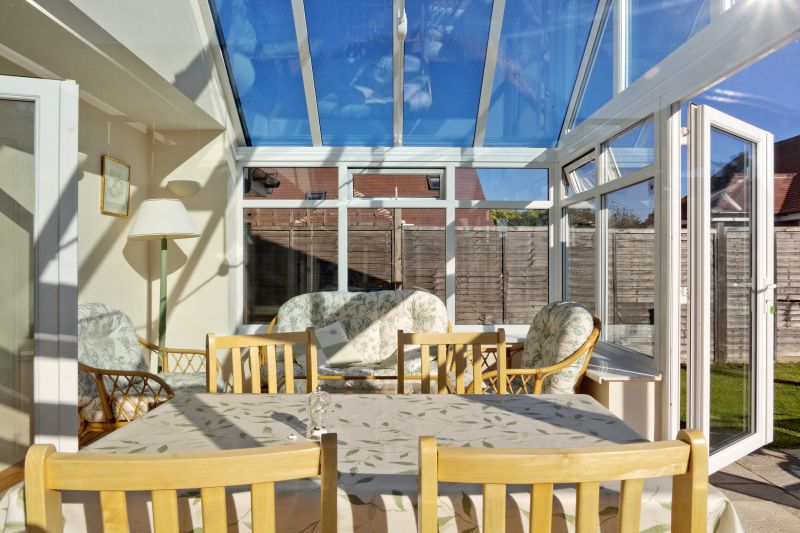
Summer can be suitable for interior work when outdoor conditions are challenging.

Fall provides cooler temperatures and lower occupancy, suitable for comprehensive upgrades.
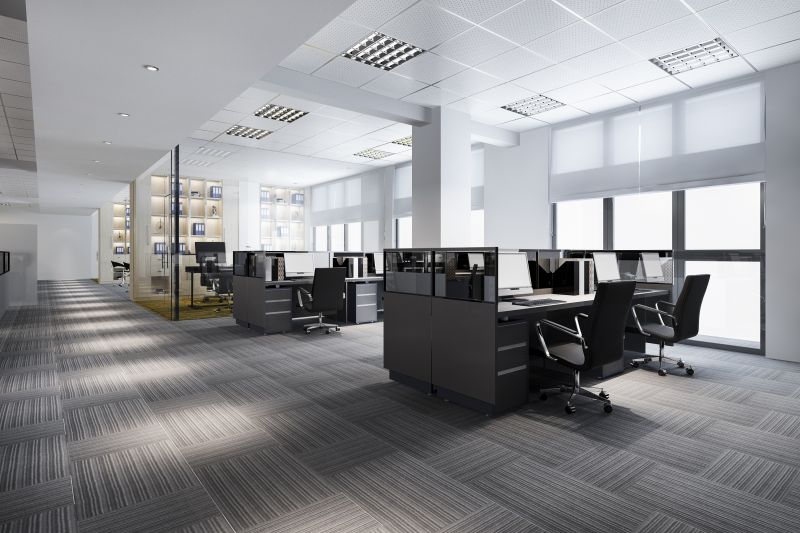
Ways to make Retrofittings work in tight or awkward layouts.
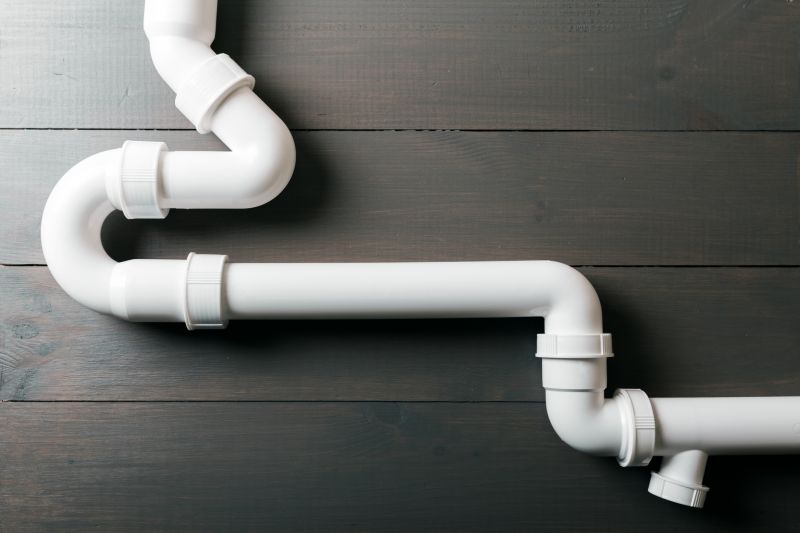
Popular materials for Retrofittings and why they hold up over time.

Simple add-ons that improve Retrofittings without blowing the budget.
Retrofittings are critical for maintaining building performance, extending the lifespan of systems, and ensuring compliance with evolving standards. They often involve complex planning, coordination, and execution, making timing an essential factor for success.
Winter retrofitting requires planning for cold weather conditions but can be advantageous for interior upgrades.

Implementing retrofits after peak usage seasons reduces occupant impact and scheduling conflicts.

Early fiscal planning allows for better resource allocation and project scheduling.

Timing projects before new regulations take effect ensures compliance without rush.
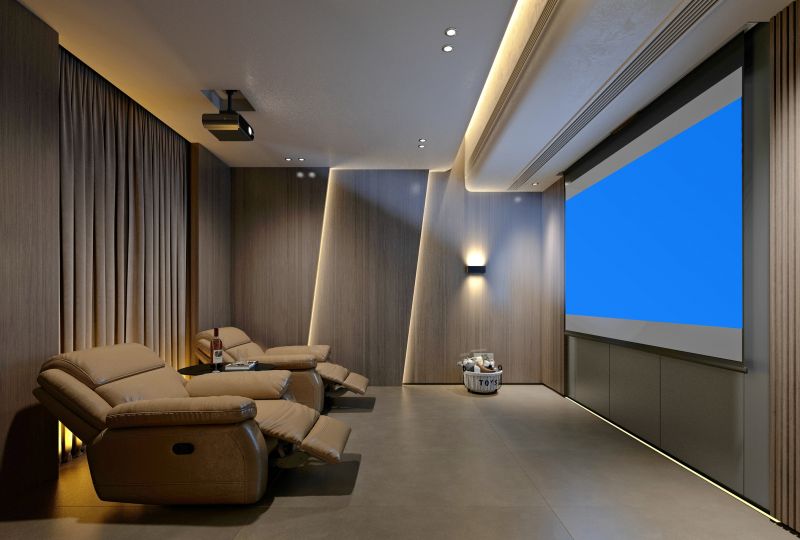
High-end options that actually feel worth it for Retrofittings.
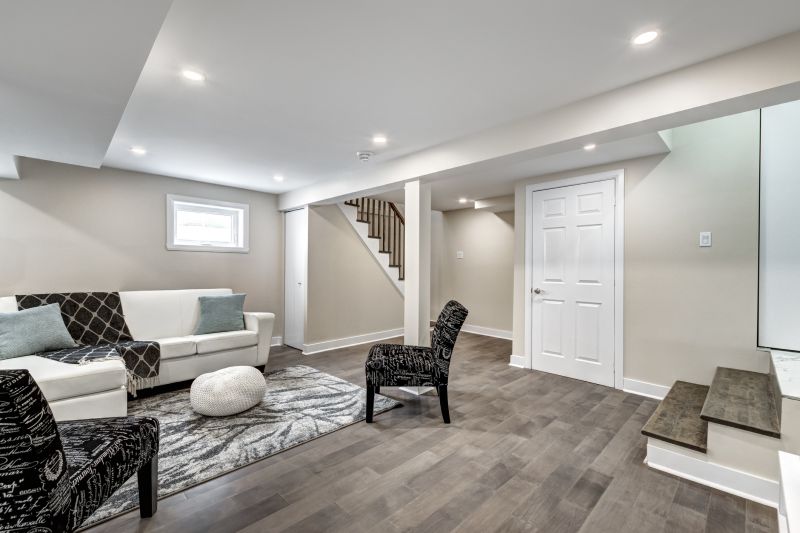
Finishes and colors that play nicely with Retrofittings.

Little measurements that prevent headaches on Retrofittings day.
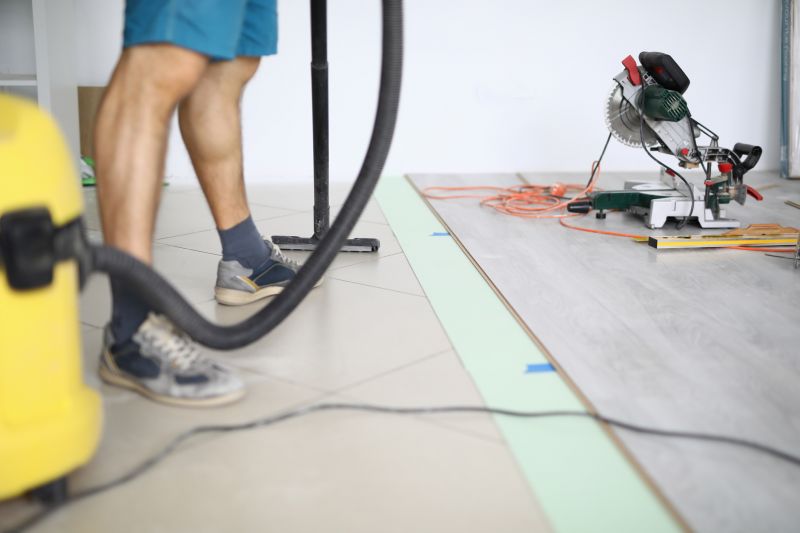
A 60-second routine that keeps Retrofittings looking new.
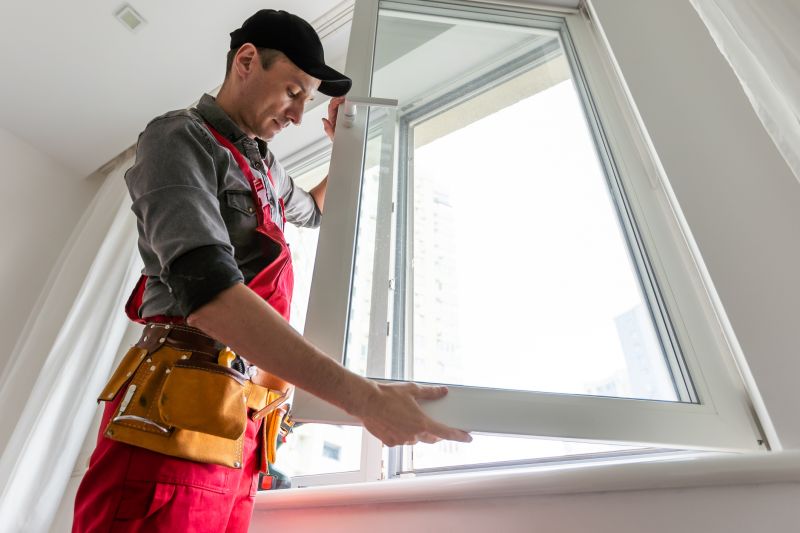
A frequent mistake in Retrofittings and how to dodge it.

Small tweaks to make Retrofittings safer and easier to use.
Interested parties are encouraged to contact for further information on scheduling retrofitting projects. Proper planning and timing can lead to cost savings and improved system performance.