
Expert Retrofitting Services to Improve Building Performance
Retrofitting involves modifying existing structures or systems to improve performance, energy efficiency, or safety. It is a strategic approach to upgrade older buildings or equipment without complete replacement, leading to cost savings and enhanced functionality.
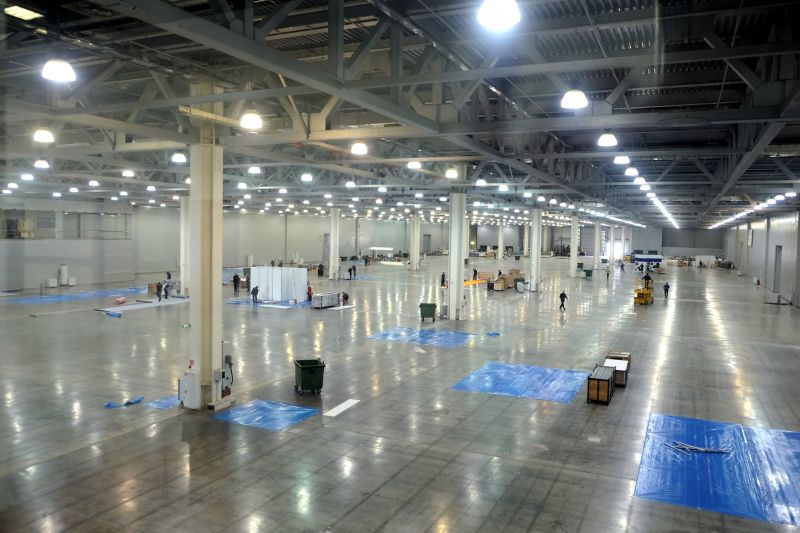
Modern upgrades to lighting, HVAC, and insulation enhance energy efficiency and occupant comfort.
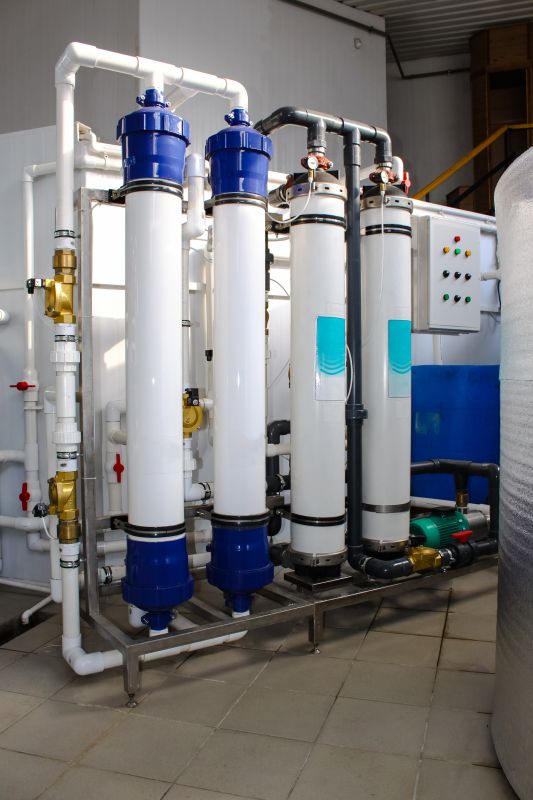
Upgrading machinery to meet current standards increases productivity and reduces operational costs.

Adding insulation and smart systems improves energy use and living conditions.
Statistics indicate that retrofitting can reduce energy consumption in buildings by up to 30%, significantly lowering operational costs and environmental impact. The process also extends the lifespan of existing infrastructure, delaying costly replacements. Retrofitting projects often have shorter timelines compared to new constructions, with professional upgrades typically completed within a few weeks depending on scope.
The Retrofitting Process and Timeline
A typical retrofitting project begins with an assessment to identify areas for improvement. Following this, detailed planning ensures compatibility and efficiency of upgrades. The implementation phase involves installing new systems or components, followed by testing and commissioning to ensure optimal operation.
Professional retrofitting ensures that modifications are performed safely, comply with regulations, and deliver desired outcomes. The duration of a project varies based on complexity, but experienced contractors can complete most upgrades within a few weeks, minimizing disruption to daily operations.
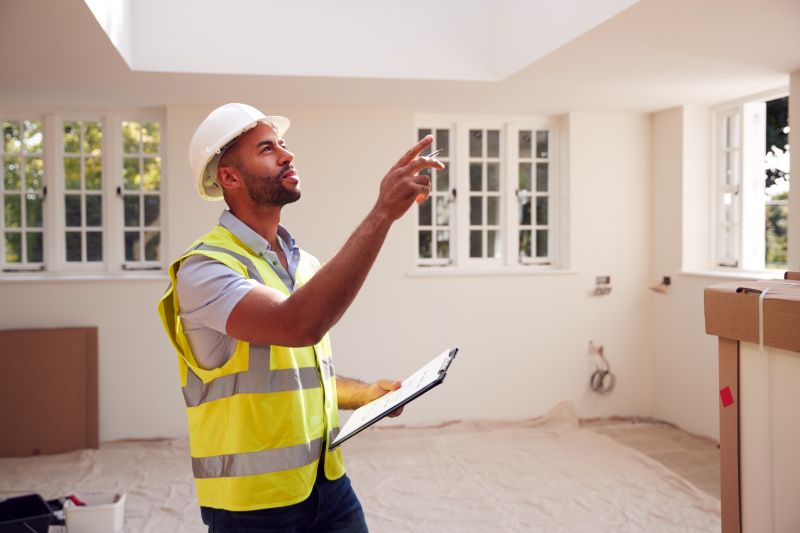
Initial evaluation to determine retrofit scope and design.
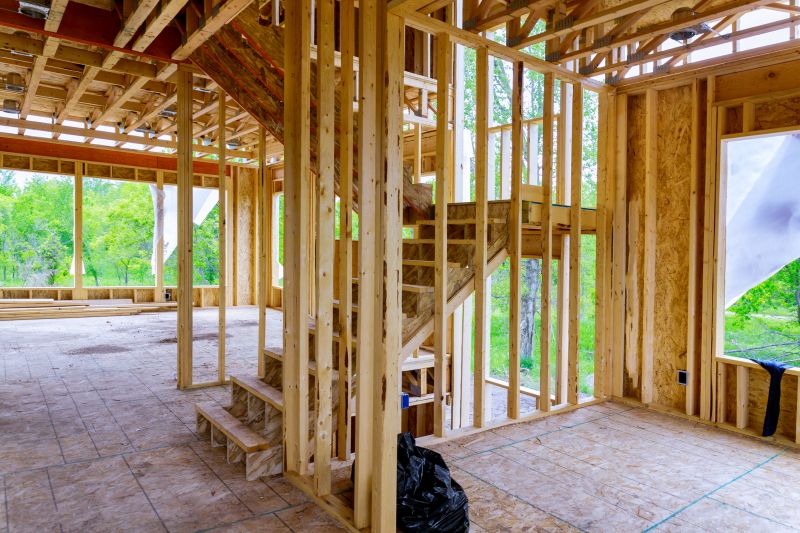
Execution of system improvements and structural modifications.
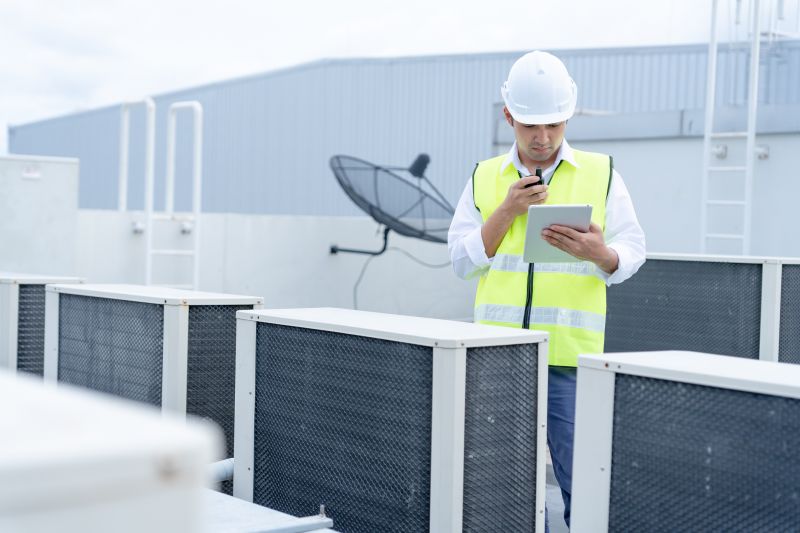
Final checks to ensure systems operate efficiently and reliably.
Engaging a professional for retrofitting projects ensures adherence to safety standards and quality workmanship. Experts can accurately estimate timelines, manage logistics, and troubleshoot potential issues, leading to a smoother process and better results.
Completed Retrofitting Projects and Visual Examples
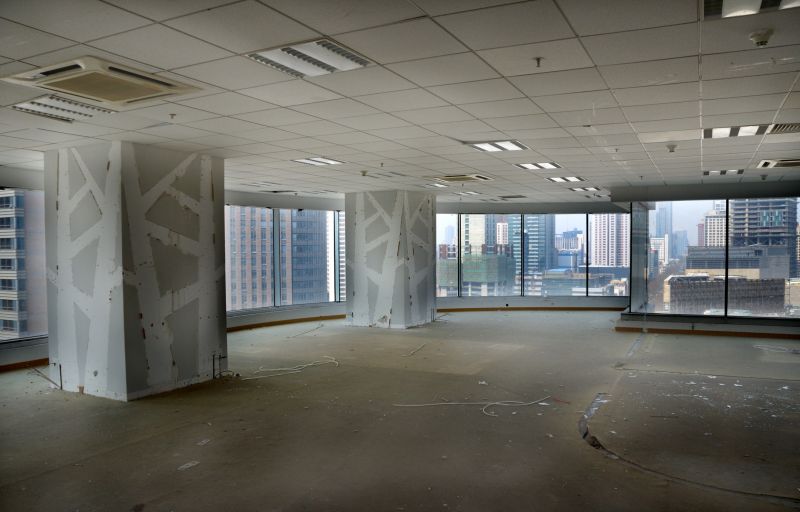
Showcasing energy-efficient lighting and HVAC upgrades.
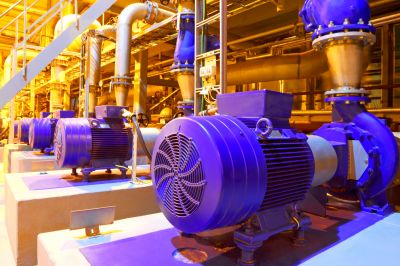
Upgraded machinery with advanced controls.
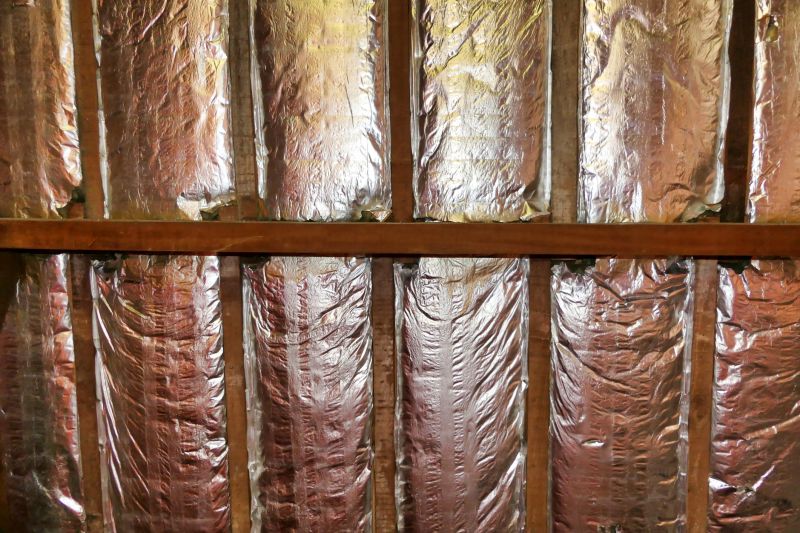
Enhanced thermal performance.
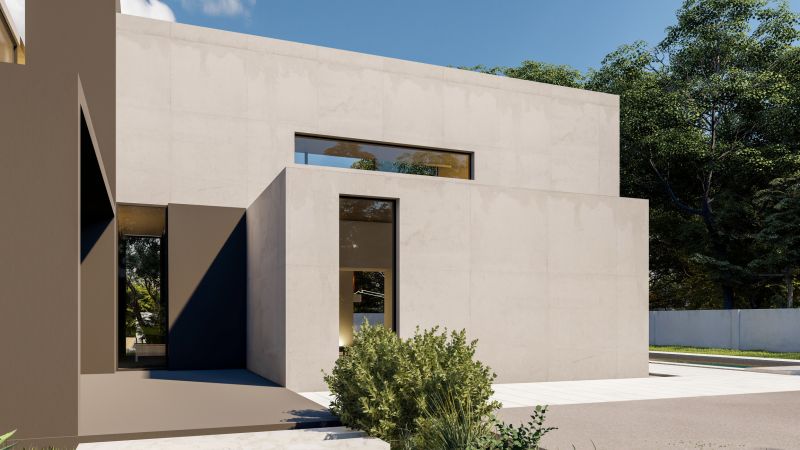
Aesthetic and functional improvements.
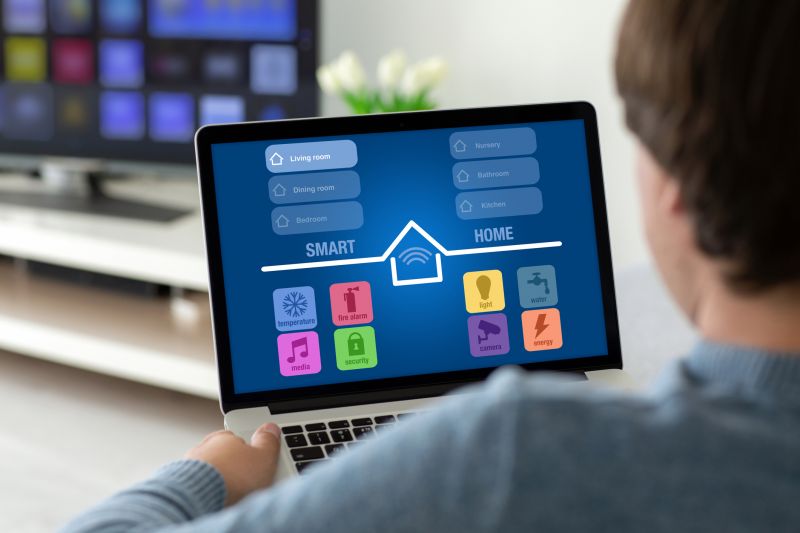
Integration of automation technology.
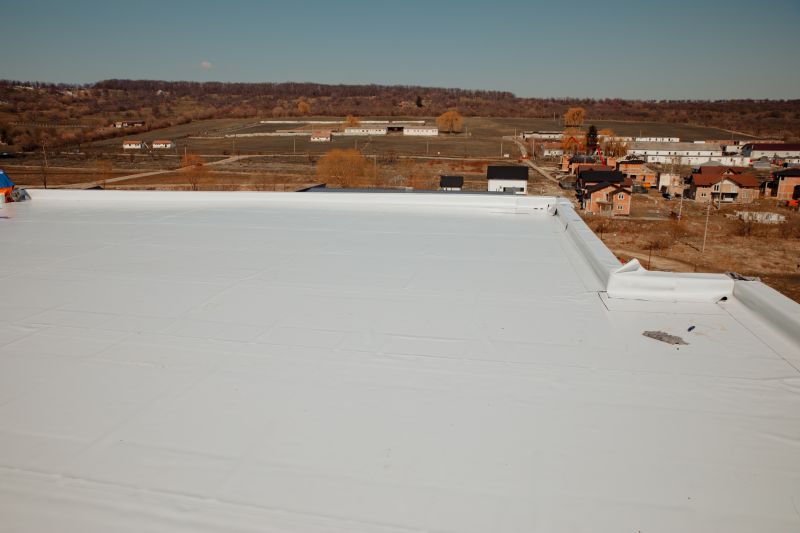
Improved insulation and durability.
For those interested in upgrading their facilities through retrofitting, it is recommended to contact professionals for a detailed assessment and tailored solutions. Completing a retrofit can lead to improved efficiency, compliance, and long-term savings.